Roma Inclusion and Culture: Progress and Policy in 2026
Roma represent Europe's largest ethnic minority. In 2026, new EU strategies and cultural movements are bridging inclusion gaps and protecting heritage.
Aymen Khelifi • May 14, 2026
The Roma people represent Europe's largest ethnic minority, yet in 2026, they remain the most disproportionately affected by systemic exclusion and socioeconomic gaps. According to the 2026 European Commission monitoring framework, achieving parity in employment, housing, and education requires a fundamental shift from top-down aid to community-led participation.
While often essentialized through outdated stereotypes, the Roma are a diverse collection of communities with a 1,000-year history of resilience, language development, and cultural contribution that increasingly shapes modern European identity.
What is the current state of Roma inclusion in 2026?
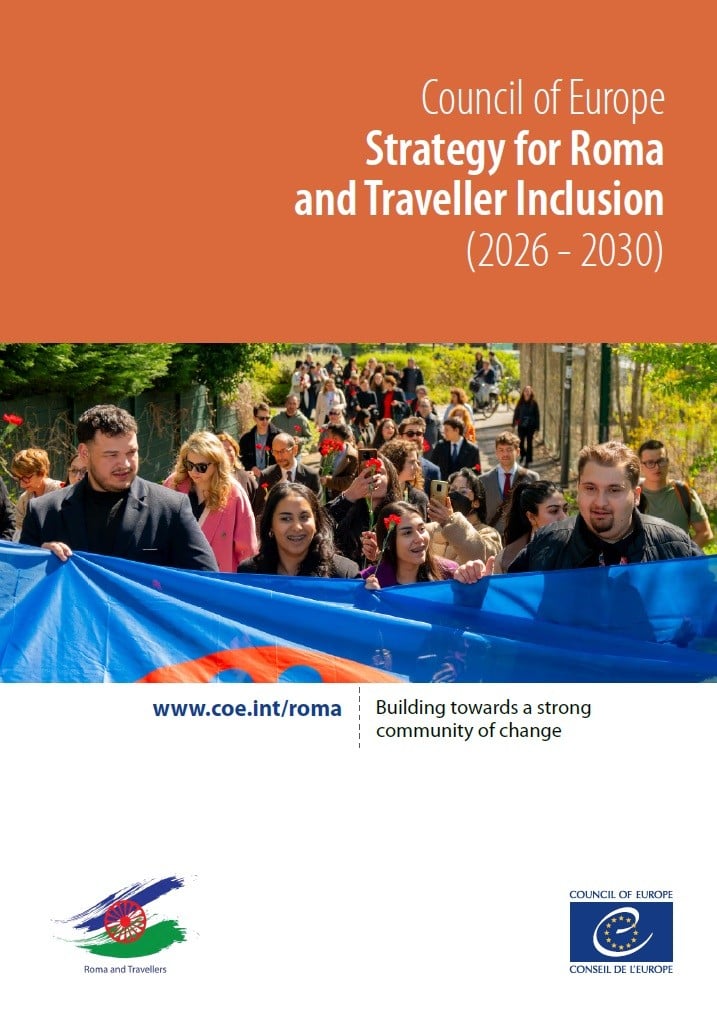
Real-world progress for Roma communities in 2026 is measured by the successful transition to the Council of Europe Strategy for Roma and Traveller Inclusion (2026–2030). This strategy prioritizes the "Poznan targets," which aim to close the gap in civil registration and labor market participation by at least 25% by the end of the decade.
Despite these institutional efforts, data from the 2026 Joint Employment Report indicates that nearly 80% of Roma across 10 EU Member States still live at risk of poverty. The core issue remains "antigypsyism"—a specific form of racism that targets Roma through institutional neglect and discriminatory housing policies. In May 2026, the Council of Europe issued formal warnings regarding the forced demolition of Roma housing in several East European capitals, highlighting the precarious nature of their fundamental right to shelter.
How geographic exclusion affects Roma housing in 2026
In 2026, the geography of exclusion remains a primary hurdle for Roma integration. While urban Roma communities often face hyper-segregation in peripheral neighborhoods, rural communities in regions like Eastern Slovakia and Central Romania struggle with a total lack of basic infrastructure.
According to the European Union Agency for Fundamental Rights (FRA) 2026 data, one in three Roma households still lack access to tap water. This is not merely a logistical failure but an environmental justice issue; many historical settlements were deliberately placed near industrial wasteland or flood zones. The "Green Roma" movement of 2026 is now advocating for legal recognition of these environmental inequities, pushing for EU-funded projects that prioritize community cohesion rather than just moving individuals into isolated social housing units.
Digital Literacy and the New Educational Frontier
Education is the most significant predictor of economic mobility for Roma youth in 2026. However, the "digital divide" identified during the early 2020s has evolved into a structural barrier. Successful pilot programs led by the Integro Association in Bulgaria and the Roma Education Fund (REF) in Hungary have demonstrated that when schools provide both hardware and social support through Roma educational mediators, the dropout rate for Roma girls—historically higher than their peers—decreases by 42% within a single academic cycle.
These educational mediators are often young Roma graduates who serve as a bridge between the school system and the community, neutralizing the mistrust generated by decades of segregated "special education" classes. By May 2026, the European Parliament has moved to classify "educational segregation by ethnicity" as a form of illegal discrimination requiring immediate fiscal penalties for offending municipalities.
How is Roma culture being reclaimed and celebrated?
Roma cultural expression in 2026 has moved beyond the "folkloric" lens to embrace digital activism and high-fashion textiles. Organizations like the European Roma Grassroots Organizations (ERGO) Network are leading "Opre Roma!" (Roma Arise) initiatives that platform young Roma artists and designers who blend traditional motifs with contemporary political statements.
Cultural events in early 2026, such as International Roma Day, have shifted focus toward youth participation. Rather than mere performances, these events now serve as forums for discussing Roma history—specifically the Samudaripen (the Roma Holocaust)—to ensure that memory leads to legislative protection.
The revival of Romanes, the Romani language, is also a central pillar of 2026 cultural reclamation. Educational programs funded by the ROVA 2026 project are digitizing the language for the first time, ensuring that the 10–12 million Roma in Europe can access digital services in their mother tongue.
The Global Influence of Romani Music and Modern Soundscapes
Music has always been the most visible element of Roma culture to the outside world, but in 2026, the narrative is shifting from "traditional folk" to "Romani Futurism." New genres blending Flamenco, Jazz Manouche, and Manele with electronic production are dominating the European underground scene. The European Roma Institute for Arts and Culture (ERIAC) has reported a surge in the digital streaming of Roma artists, who are now using these platforms to assert their political identity.
These artists are increasingly rejecting generic labels in favor of their specific subgroup names—Sinti, Kale, or Lovari—to highlight the internal diversity of the diaspora. This linguistic and musical precision is a response to the historic commodification of their sound, where external producers often profited from Roma talent without providing credit or community reinvestment.
High Fashion and the Protection of Intellectual Property
Roma textiles, characterized by vibrant color patterns and intricate embroidery, have historically inspired major fashion houses. In 2026, however, the dialogue has shifted toward cultural appropriation and intellectual property. Roma-led collectives are now registering their traditional designs as geographical indications similar to protected regional products.
This legal shift ensures that when a global brand uses Roma-inspired aesthetic motifs, they must enter into profit-sharing agreements with the communities that originated them. This movement—aptly named "Fair Trade Culture"—is providing a new economic engine for Roma women, who are the traditional keepers of these weaving and embroidery techniques. It proves that Roma culture is not a static museum piece but a living, high-value asset in the global creative economy.
What defines ethical Roma tourism?
Traveling to engage with Roma culture requires a shift from "poverty tourism" to community-owned heritage experiences. In 2026, ethical tourism is defined by the direct economic benefit to the community and the preservation of agency over how their story is told.
Characteristic | Exploitative Tourism | Ethical Tourism (2026 Model) |
|---|---|---|
Financial Flow | External agencies keep 90% of profits. | Communities retain at least 60% of tour revenue. |
Interaction | "Observational" visits to impoverished areas. | Skill-sharing workshops (e.g., metalworking, weaving). |
Narrative | Focuses on stereotypes or "exotic" lifestyle. | Highlights Roma history, resilience, and modern life. |
Consent | Photos taken without permission or context. | Participants define boundaries and storytelling scope. |
Projects like the United in Diversity hearing scheduled for June 2026 emphasize that tourism must be part of a broader "Shared European Culture" rather than a spectacle of the "other." Travelers are encouraged to seek out artisans directly rather than through third-party intermediaries that often perpetuate harmful tropes.
Why does Roma political participation matter now?
For the first time in 2026, Roma political representation is moving from advisory roles to decision-making seats within EU institutions. During Roma Week 2026 in Brussels, delegates argued that policies cannot be "for" Roma without being "by" Roma.
The European Commission's anti-poverty report for 2026 underscores that the most successful integration programs are those where Roma-led NGOs manage the funding. When communities control their development projects, registration for IDs increases, leading to a cascade of benefits: legal employment, access to healthcare, and educational subsidies for children.
Key areas of political focus in 2026:
Digital Equity: Ensuring Roma settlements have high-speed internet to bridge the educational gap.
Environmental Justice: Relocating communities away from toxic landfills where many were historically ghettoized.
Transborder Rights: Protecting the right to free movement for mobile Roma groups while ensuring access to social services across borders.
Frequently Asked Questions
What is the difference between "Roma" and "Gypsy"?
"Roma" is the self-chosen term used by many of these communities, whereas "Gypsy" is often considered a derogatory exonym rooted in the false historical belief that they originated in Egypt. In 2026, professional and legal environments exclusively use "Roma and Travellers" to ensure respect and accuracy.
Where did the Roma people originally come from?
Linguistic and genetic evidence confirms the Roma originated in Northwestern India, leaving roughly 1,000 years ago. They entered Europe through the Balkans and have been a permanent part of European society for centuries.
Can travelers visit Roma communities respectfully?
Yes, by booking through heritage centers and Roma-led NGOs. Ethical engagement focuses on "culture-bearers"—artisans, musicians, and historians—rather than visiting residential areas to observe poverty. Support for Roma-owned businesses is the most direct way to be an ally through tourism.
The path forward: From exclusion to full participation
The developments of 2026 signal a critical turning point where Roma-led agency is replacing traditional charity models. By moving beyond basic civil registration and addressing systemic barriers like environmental racism and digital inequity, Europe is beginning to dismantle the structural "antigpsyism" that has persisted for centuries.
The success of these inclusions depends on the continued integration of Roma voices in high-level policy, the protection of cultural intellectual property, and an unwavering commitment to desegregating the educational systems. As Roma youth increasingly lead the charge through digital activism and political representation, the goal for the remainder of the decade is to ensure that "European identity" fully encompasses the continent's largest and most resilient minority.