The Meta ecosystem has evolved significantly in 2026, transitioning from a collection of social platform connectors to a highly integrated, AI-driven developer experience. For modern engineers and businesses, understanding the Facebook Developer APIs is no longer just about posting updates — it is about orchestrating complex customer journeys across Facebook, Instagram, WhatsApp, and Threads.
Success in the current landscape requires a shift toward automation and real-time data processing. With the release of Graph API v25.0 and Marketing API v25.0 in February 2026, Meta has further centralized its infrastructure, making it easier to manage cross-platform identities while enforcing stricter, more predictable rate limits.
How does the Graph API work in 2026?
The Graph API remains the core engine of Meta's developer platform, serving as the primary way for apps to read and write data to the social graph. In 2026, it operates on a highly versioned, node-and-edge structure that allows developers to precisely query objects like Pages, Users, and Posts while navigating their relationships.
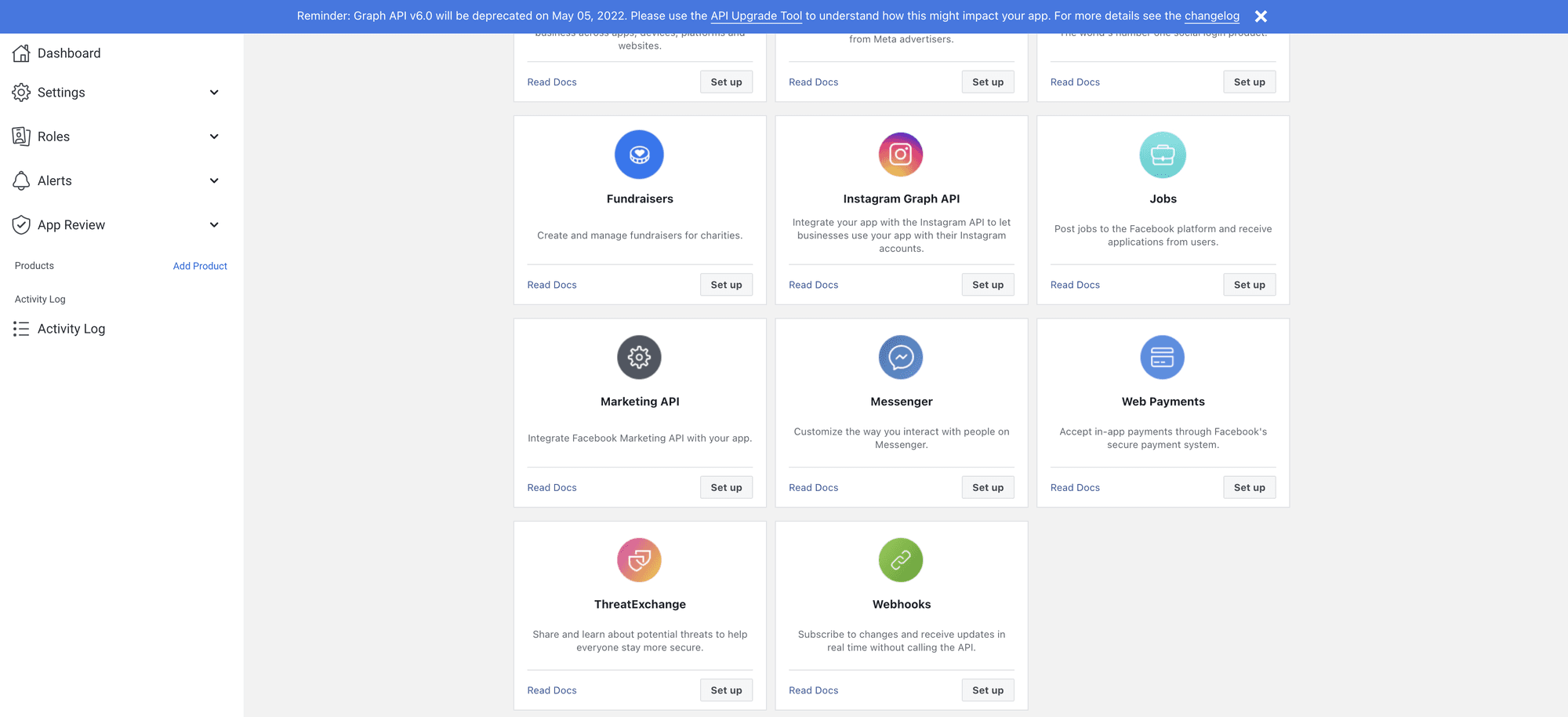
The API utilizes a dynamic usage-based rate-limiting system that scales with an app's Daily Active Users (DAU). This ensures that growing applications receive the throughput they need without manual limit increases. A significant addition in 2026 is the Page Viewer Metric, scheduled for full rollout by late June, which replaces older reach metrics to provide a more accurate count of unique visitors across Page assets.
Key features of the Graph API v25.0 include:
Unified Identity Management: Seamlessly linking user profiles across Facebook and Instagram for authorized apps.
Enhanced Webhooks: Improved mTLS security for real-time notifications, requiring the latest Meta root CA certificates for secure data transmission.
Threads Integration: Full programmatic access to Threads content and engagement metrics directly within the standard Graph explorer.
What is the Facebook Marketing API used for?
The Marketing API is a specialized collection of endpoints designed to automate ad management and optimize campaign performance at scale. As of 2026, the API has moved toward fully automated ad workflows, where Meta’s AI engine handles audience targeting and creative selection based on high-level business objectives.
By mid-2026, the Marketing API will exclusively support Outcome-Driven Ad Experience (ODAX) objectives. Attempting to use legacy campaign structures now results in API errors, as Meta 2026 infrastructure prioritizes AI-led Advantage+ campaigns.
Feature | 2024 Capability | 2026 Capability |
|---|---|---|
Ad Creation | Manual creative upload | AI-generated dynamic versions |
Targeting | Detailed interest-based | Automated Advantage+ Audience |
Objective Type | Mixed (Legacy & ODAX) | ODAX Only (v19.0+) |
Optimization | Manual bid caps | Fully automated success-metric bidding |
How do you integrate the WhatsApp Business API?
The WhatsApp Business API (Cloud API) has become the gold standard for enterprise communication in 2026, offering features that far exceed the standalone business app. It is designed for high-volume messaging and deep integration with CRM systems like Salesforce and HubSpot.
A major 2026 update introduced "Portfolio Pacing," a feature that manages batched sending to prevent account flagging and ensure high delivery rates during peak marketing windows. Businesses can now automate customer service using AI-driven chatbots that pull real-time data from the Graph API to personalize every interaction.
Integration requirements for 2026 include:
Meta Business Account: A verified business portfolio is non-negotiable for high-tier messaging.
Cloud API Credentials: Directly managed via the Meta for Developers portal, eliminating the need for third-party hosting in most cases.
Template Approval: Marketing messages must use pre-approved templates that comply with 2026 GDPR and messaging quality standards.
Why is API versioning critical for developers?
Meta enforces a strict two-year lifecycle for every major API version. For instance, versions released in early 2024 (v19.0) will reach the end of life by mid-2026. This requires developers to maintain a proactive migration schedule to avoid service disruptions.
Applications still running on v21.0 are currently flagged for deprecation and should migrate to v24.0 or v25.0 by Q3 2026 to maintain access to key metrics. This aggressive versioning ensures that every app on the platform uses the most secure and performance-optimized protocols available.
Frequently Asked Questions
Is the Facebook Graph API free to use?
Yes, the Graph API itself is free to use for developers. However, Meta uses a dynamic rate-limiting system based on your app's daily active users. While you don't pay for the requests, you must ensure your app stays within these limits to avoid temporary blocks.
What is the difference between the WhatsApp Business App and the API?
The WhatsApp Business App is a mobile application for small local businesses to manage conversations manually. The WhatsApp Business API is a technical interface that allows for automation, CRM integration, and high-volume messaging through software scripts or third-party platforms.
How do I get an access token for the Facebook API?
Access tokens are obtained through the Meta for Developers portal by creating an App. You can use the Graph API Explorer tool to generate short-lived tokens for testing or implement a full OAuth flow in your application to acquire long-lived user or page access tokens.
What happens when an API version is deprecated?
When a version is deprecated, any requests made to that specific version's endpoint will fail. Meta typically provides a two-year window from the release of a version until its deprecation, giving developers ample time to update their code to the latest stable version.
Can I use the Facebook Marketing API for a personal account?
No, the Marketing API requires a verified Meta Business Account. It is designed for professional ad management and requires specific permissions (ads_management) that are only granted after a business verification process and app review.