Social media workflows often suffer from "context switching," where marketing teams must jump between content management systems (CMS) and social apps just to publish a single post. By 2026, many brands have found that direct API integration reduces publishing time by up to 6–10 hours per week for small to mid-sized marketing teams. Leveraging the Instagram Content Publishing API allows platforms to bypass manual uploads, ensuring that brand stories, reels, and feed posts are deployed directly from the source of truth—the CMS.
As a Tech Lead at Experience.com, I’ve seen how enterprise-scale content distribution requires more than just "posting." It requires a unified pipeline where metadata, assets, and scheduling live in one place. Using official APIs isn't just a technical preference; it’s an operational necessity for maintaining consistency and security in a fast-moving digital environment.
What is the Instagram Content Publishing API?
The Instagram Content Publishing API is a sub-feature of the Meta Graph API that allows authorized third-party platforms to programmatically upload and publish media to Instagram Business and Creator accounts. In 2026, this system is the gold standard for secure, automated social sharing, superseding older, less reliable methods of manual notification-based posting.
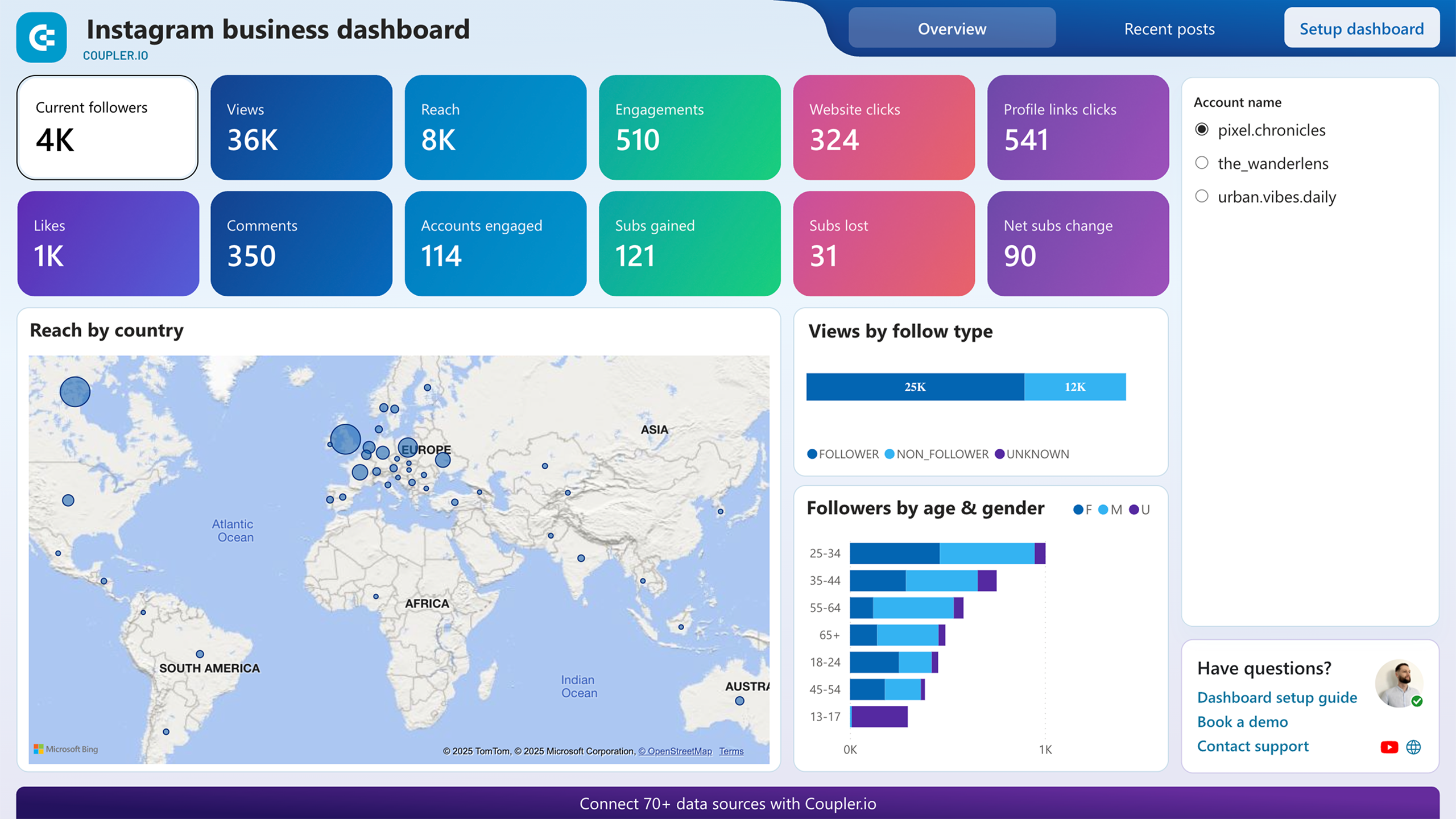
Through this API, a CMS can handle the entire lifecycle of a post—from the initial image or video upload to adding captions, location tags, and even the "Paid Partnership" labels required for influencer disclosures. It provides a structured way for developers to build "one-click" social sharing directly into the content creation interface, meaning a blog post can be adapted and pushed to Instagram without the writer ever leaving their dashboard.
Why should you integrate Instagram APIs into your CMS?
Integrating Instagram APIs into your CMS centralizes your content operations, providing a single dashboard to manage assets, scheduling, and performance tracking. This eliminates the risk of manual errors and ensures that every piece of content adheres to brand guidelines before it goes live.
Beyond simple automation, the benefits include:
Omnichannel Consistency: When your CMS is the hub, the same high-resolution assets and verified copy are used across your website and social feeds.
Security and Permissions: By using official OAuth flows, you no longer need to share account passwords with multiple team members or agencies.
Advanced Scheduling: The API supports complex scheduling logic that goes beyond Instagram’s native app capabilities, allowing for multi-week campaigns to be staged in advance.
Real-time Collaboration: Multiple stakeholders can review a post in the CMS, approve it, and have the API trigger the live release automatically.
How does automation improve post consistency?
Automation through the Instagram API ensures that your brand remains visible by maintaining a steady posting cadence, which is a key signal for the Instagram algorithm in 2026. Manual posting is prone to delays, but an API-driven schedule fires with millisecond precision, hitting peak engagement windows regardless of the team's timezone.
Feature | Manual Publishing | API-Driven Publishing |
|---|---|---|
Effort | High (Mobile-only for many features) | Low (Single-click from CMS) |
Team Hours | 8-10 hours/week spent on execution | <1 hour/week spent on execution |
Error Rate | Prone to typos/wrong asset selection | High (Validated by CMS workflows) |
Audit Trail | None (Who posted what?) | Full (Logged in CMS metadata) |
Scalability | Hard to scale across 10+ accounts | Unlimited scaling via programmatic calls |
By automating the content calendar, businesses can focus on strategy rather than the mechanics of the "Upload" button. This consistency builds trust with audiences, as they learn to expect high-quality content at regular intervals.
What are the latest API features for 2026?
A significant update to the Instagram API in April 2026 introduced richer media engagement metrics and the ability to apply paid partnership labels at the exact moment of publishing. These updates make it easier for brands and creators to work together without the friction of manual post-editing after the content goes live.
Another major shift is the expansion of collaborative media access. CMS platforms can now track engagement on collaborative posts more accurately, pulling in "views" and "likes" that occur across both the primary and collaborator accounts. This gives a much clearer picture of total reach, which was previously fragmented between different dashboards.
How do API rate limits affect sharing?
While powerful, the Instagram Graph API operates under specific constraints, notably a limit of 200 requests per hour per connected account. This rate limit includes all automated actions—likes, comments, and publishing—meaning high-volume enterprises must optimize their calls to avoid being throttled.
To manage this, professional CMS integrations use intelligent queuing. Rather than making a request the moment a user clicks "Schedule," the system batches metadata checks and staggers publishing calls. This ensures that a brand managing 50 different storefront accounts doesn't hit the ceiling during a major holiday campaign.
How do you ensure legal compliance with social APIs?
Compliance in 2026 is largely focused on transparency, particularly for branded content and data privacy. Using the official Content Publishing API allows brands to automatically apply partnership labels, ensuring they meet FTC guidelines for influencer marketing without relying on the creator to remember to toggle a switch.
Furthermore, as the Basic Display API was fully retired, all integrations must now use the more secure Graph API. This transition has standardized how user data is handled, ensuring that any content pulled from Instagram into your CMS (like user-generated content for a website gallery) is done with explicit permission and tracked tokens.
Frequently Asked Questions
Can I publish Instagram Reels through the API?
Yes, as of 2026, the Instagram Content Publishing API fully supports Reels. You can upload video files, add captions, and choose thumbnail images directly from your CMS dashboard. This has become the preferred way for brands to manage short-form video content at scale without relying on mobile devices.
Do I need a Facebook account to use the Instagram API?
Yes, for the Instagram Graph API to function, your Instagram account must be a Business or Creator account and must be linked to a Facebook Page. This link is required for the OAuth authentication process, which validates your identity and permissions to publish content through third-party tools.
What are the limits on daily posts via API?
While the hourly rate limit is generally around 200 requests, specific publishing limits apply to prevent spam. Most business accounts can publish up to 25-50 posts per 24-hour period through the API, though these limits can be increased for verified high-volume partners or specific enterprise use cases.
Can I respond to comments from my CMS using the API?
Yes, the Instagram Graph API includes endpoints for comment management. This allows your CMS or support desk to pull in comments on your posts and reply to them directly. In 2026, new updates have also added the ability to "like" comments programmatically, further streamlining community management.
Is the Instagram Content Publishing API free?
Meta provides free access to the Graph API for standard business use cases, but they enforce rate limits to protect the platform. For extremely high-volume applications or specialized data aggregation, businesses often use third-party "middleware" providers that offer higher reliability and pre-built management dashboards for a monthly fee.