
For many seniors, the home is more than just an asset; it is a lifetime of memories and the foundation of their independence. As healthcare costs rise and mobility challenges emerge, the ability to stay in that home comfortably often depends on financial liquidity. A reverse mortgage, specifically the Home Equity Conversion Mortgage (HECM), provides a mechanism to convert property value into ready cash without the burden of monthly mortgage payments.
In 2026, the strategic use of these loans has become more relevant as the national HECM loan limit has increased to $1,249,125, allowing homeowners with high-value properties to access more of their equity than in previous years. This capital can be the difference between moving to an assisted living facility and aging in place with modified physical surroundings and professional in-home care.
How does a reverse mortgage facilitate aging in place?
A reverse mortgage allows homeowners aged 62 and older to borrow against their home equity while retaining title and residency, with the loan balance only becoming due when the last borrower moves out, sells, or passes away. Unlike a standard mortgage or a Home Equity Line of Credit (HELOC), which require immediate monthly principal and interest payments, a reverse mortgage is designed specifically for retirees on fixed incomes who need to preserve their monthly cash flow.
The primary benefit is the elimination of existing mortgage debt. If a senior still has a balance on their traditional mortgage, the reverse mortgage first pays off that loan. This immediately frees up the monthly income previously dedicated to mortgage payments, which can then be redirected toward daily living expenses, property taxes, or health insurance premiums.
What modifications can reverse mortgage funds cover?
To successfully age in place, a home often requires physical updates to accommodate changing mobility needs. A 2026 industry report by The Mortgage Reports highlights that seniors are increasingly using reverse mortgage proceeds for "aging in place" renovations that standard savings might not cover.
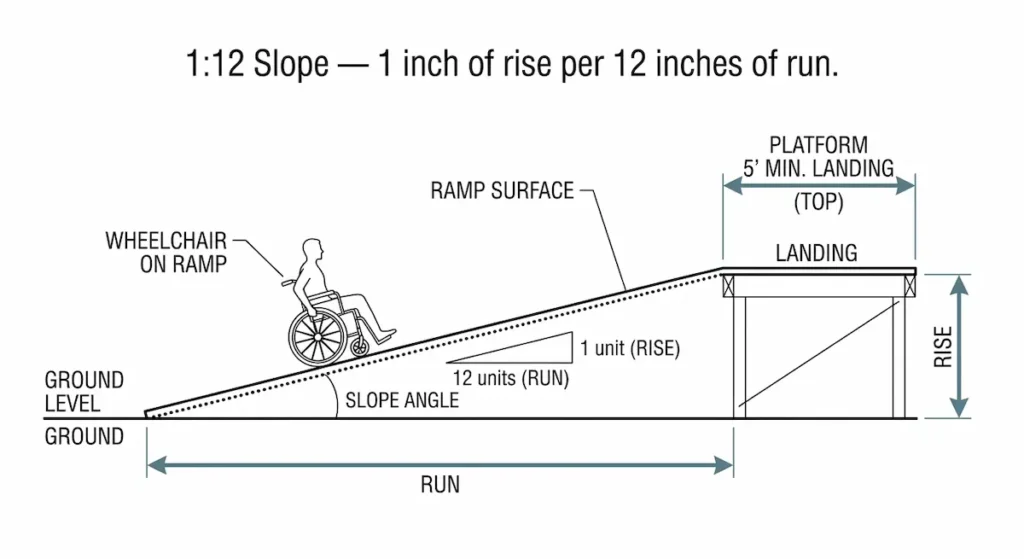
Mobility and Entry: Installing wheelchair ramps, widening doorways to the 32-inch standard, or adding low-rise exterior steps.
Bathroom Safety: Converting traditional tubs to walk-in showers, adding grab bars, and installing comfort-height toilets.
Kitchen Ergonomics: Lowering countertops or adding pull-out shelving to keep items within reach without needing to climb or stoop.
Technology Integration: Smart home systems for automated lighting, voice-controlled thermostats, and medical alert systems that integrate with the home’s infrastructure.
By funding these projects through a reverse mortgage, seniors avoid draining their retirement portfolios or taking on high-interest personal loans during a period of reduced income.
Can these funds pay for professional in-home care?
Yes, one of the most impactful ways to use a reverse mortgage is to fund professional caregivers. According to 2026 caregiving data, a reverse mortgage can cover the costs of in-home care or even a spouse’s specialized care needs while the primary homeowner remains in the residence.
For families facing a choice between private-pay home help and moving to a long-term care facility, the HECM line of credit option is particularly useful. This "standby" credit line can be drawn upon only when needed, and interestingly, the unused portion of the line of credit grows over time, providing a larger safety net as the homeowner ages. This growth feature is unique to the HECM and is not found in standard HELOCs, making it a superior long-term hedge against the rising costs of private nursing or home health aides.
Reverse mortgage vs. HELOC: Which is better for seniors?
Choosing the right equity tool involves comparing the upfront costs against the long-term impact on monthly budgets. While HELOCs often have lower closing costs than reverse mortgages, they carry a significant risk for seniors: the requirement to make monthly payments.
Feature | HECM Reverse Mortgage (2026) | Traditional HELOC |
|---|---|---|
Monthly Payments | Not required as long as you live in the home. | Required monthly (interest-only or P&I). |
Credit Scrutiny | Focuses on ability to pay taxes and insurance. | Strict income and debt-to-income requirements. |
Credit Line Growth | Unused line of credit grows at the loan's interest rate. | Credit limit is fixed and can be frozen by the bank. |
Repayment Risk | Loan is "non-recourse"; heirs cannot owe more than home value. | Full repayment required; bank can foreclose for missed payments. |
For many seniors, the HECM is the safer choice because it cannot be "called" by the bank as long as property taxes and homeowner's insurance are maintained. In contrast, banks have the authority to freeze or reduce a HELOC during economic downturns, which could leave a senior without access to funds during a personal health crisis.
Frequently Asked Questions
Do I still own my home with a reverse mortgage?
Yes, you retain the title and ownership of your home. The lender only has a lien on the property, similar to a traditional mortgage. You are free to move or sell the home at any time, provided the loan is repaid.
Will a reverse mortgage affect my Social Security or Medicare?
Generally, no. Social Security and Medicare benefits are not means-tested and remain unaffected. However, means-tested programs like Medicaid or Supplemental Security Income (SSI) may be affected if you withdraw the funds and keep them in a bank account rather than spending them within the same calendar month.
Can my children inherit the home?
Yes, your heirs can inherit the home and have multiple options: they can pay off the reverse mortgage balance to keep the home, sell the home and keep the remaining equity, or — if the balance is higher than the home's value — simply turn the keys over to the lender with no personal liability for the difference.

No comments yet. Be the first to share your thoughts!